
The Long Ride Home: Bob Billington, the Blackstone Valley, and What Comes Next
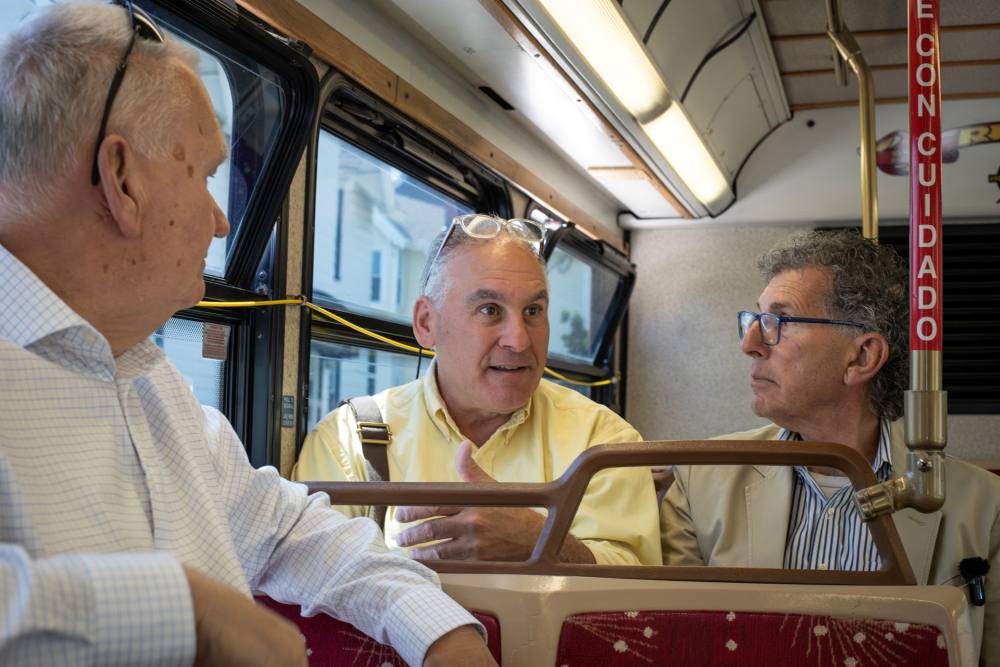
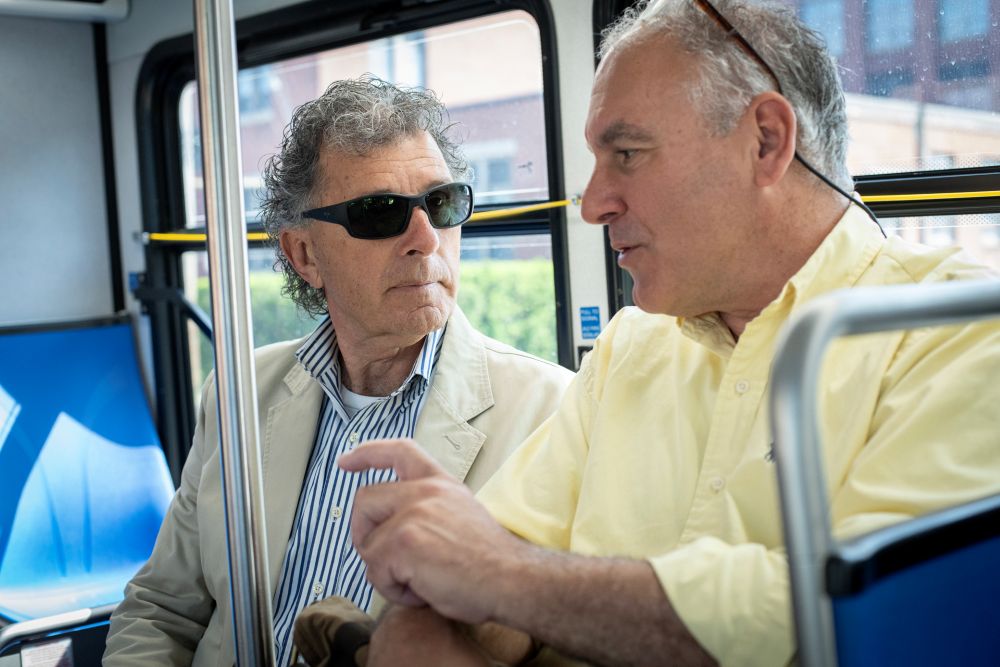
Our bus made its way down Broad Street, past brick mills that once shook with machinery and now hold offices, apartments, and small businesses. It was an ordinary weekday ride — students climbing aboard, workers heading home, someone offering a quick “thank you” to the driver — but for Bob Billington, there was nothing ordinary about it.
After forty years leading the Blackstone Valley Tourism Council — the organization he founded — Bob was winding down his time as executive director. For four decades, he’s insisted that this region that’s had a long-in-the-making comeback from industrial decline has an even brighter future worth investing in.
Looking out at the river that he’s spent much of his life cleaning, defending and interpreting, he didn’t mince his words.
“Nobody has destroyed a river and its environment like we have,” he said.
The Blackstone powered America’s first great industrial transformation. Wealth was created along its banks, but so were lasting environmental and economic consequences. Recovery has required patience measured in decades.
“We’ve got to tell the story,” Bob said. “But we’ve got to be believers ourselves.”
That belief has taken tangible form: cleaner water, restored mill complexes, bike paths threading through former industrial corridors, and heritage tourism that reframes the Valley’s history as a national asset rather than a local burden.
“On the backs of this valley, America was built,” Bob reflected. “And on the backs of the people who are here, they’ve now got to slug it out to be recognized and to be invested in.”
Few people have done more of that work than Bob.
From developing canal tours and cultural programming to relentless advocacy, the Tourism Council helped reposition the Valley from overlooked mill towns into a destination grounded in authenticity. Progress was rarely easy.
“It takes a long time to bring a community back from an unsustainable condition,” Bob said. “Can we get it back to equilibrium?”
As riders filled the bus — every seat taken, conversations overlapping in a dozen directions — the question felt less theoretical. Equilibrium is not nostalgia. It’s the ability for everyday systems to work again.
And from John’s vantage point at Grow Smart Rhode Island, transit is central to that next chapter. “We have the opportunity to build a system that works for the entire state — strengthening economic development, transporting visitors, expanding housing opportunity (without more traffic), and helping families save money”, he said.
Even crowded, there was something energizing about it.
As we stepped off, Bob turned back toward the driver. “Good day everybody. Thank you. Keep it up.”
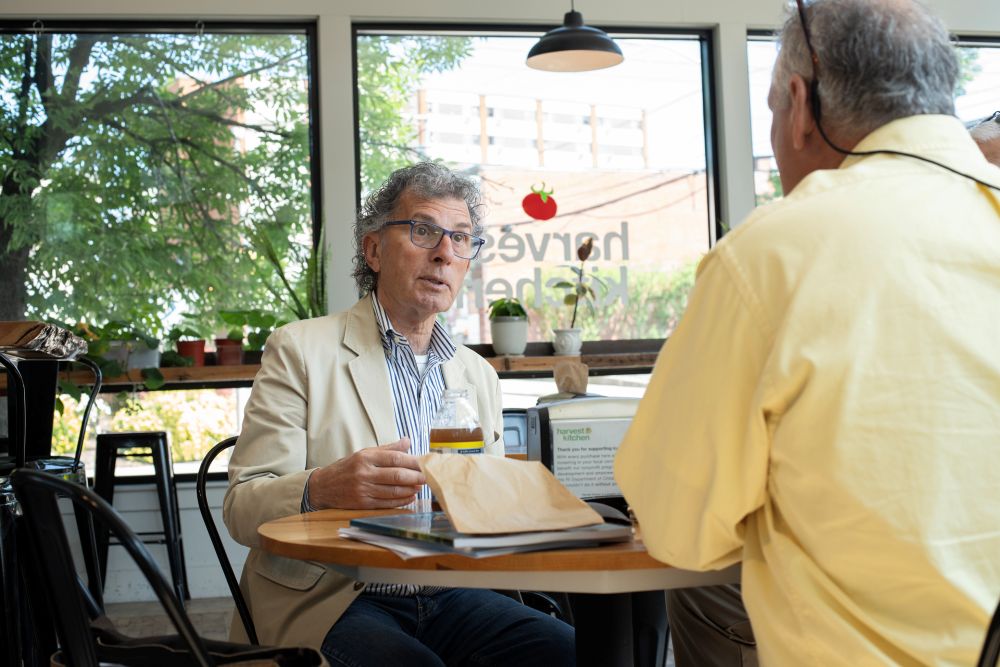
Upon returning to the Tourism Council offices, a group of schoolchildren had just arrived on their own school bus for a field trip about the Valley’s history. Their energy and curiosity were positively electric as they were entering the building to learn about mills, rivers, and reinvention.
“All these kids,” he said, “are like little Johns and little Bobs in the making. We just started it. Their generation can bring it home.”
Forty years ago, founding a tourism council here might have seemed improbable. Today, the river runs cleaner, downtowns and Main Streets are alive again, and visitors arrive seeking authenticity rather than nostalgia.
The road back has been long.
But if the first forty years were about restoration — about cleaning the river and reclaiming identity — the next twenty can be about connection. About building a transit system that links people to jobs, neighborhoods to opportunity, and visitors to a landscape that tells one of America’s most consequential stories.
View more Rhodies-In-Transit HERE.