Friday June 26, 2026
@ Rhode Island School of Design
1 riveting keynote. 16 breakout sessions. 350+ fellow change agents. Opportunities to connect and collaborate? Unlimited.
Attend the Summit? Please share your feedback
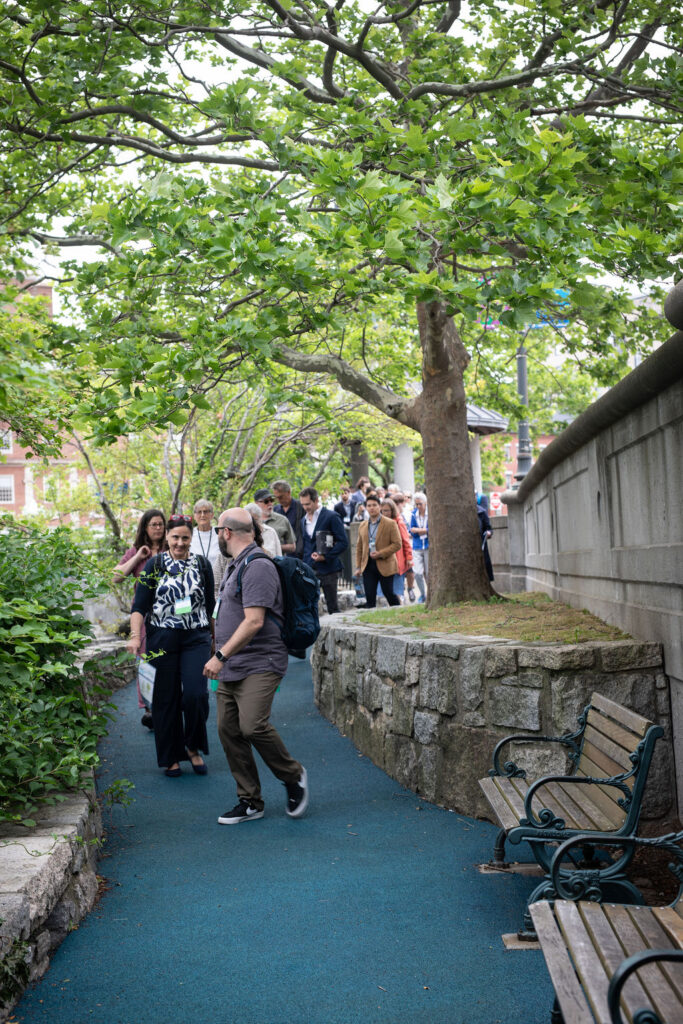
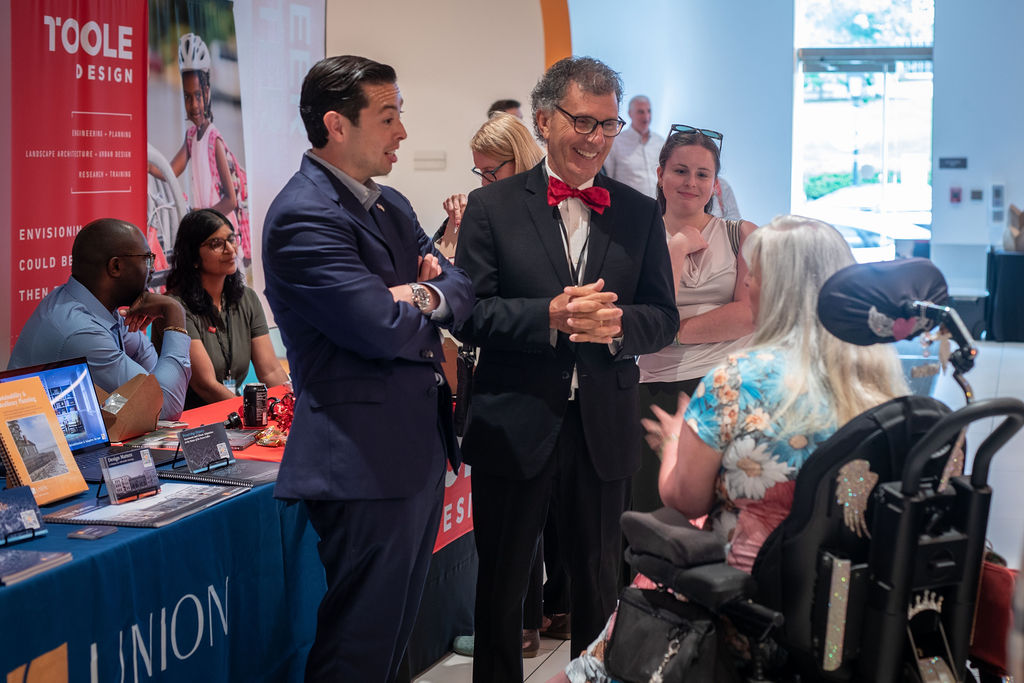
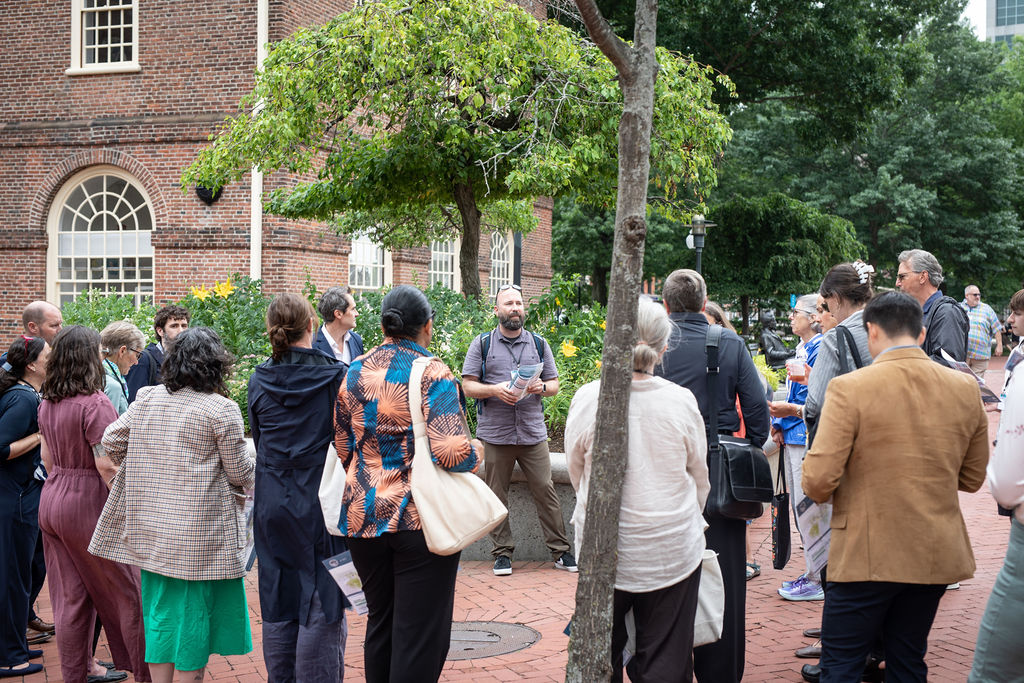
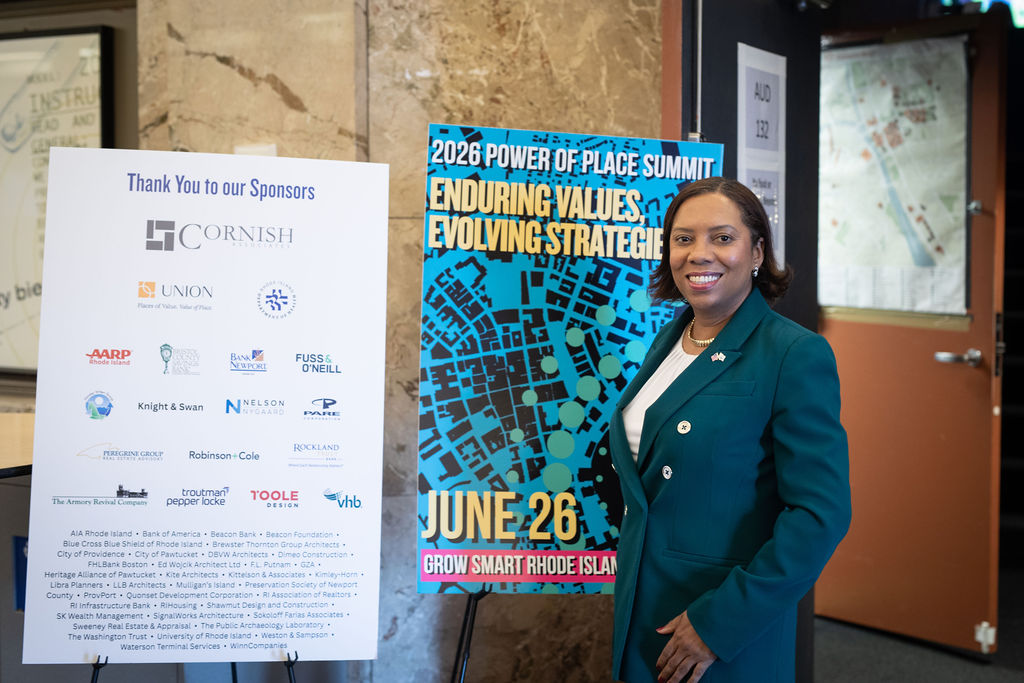
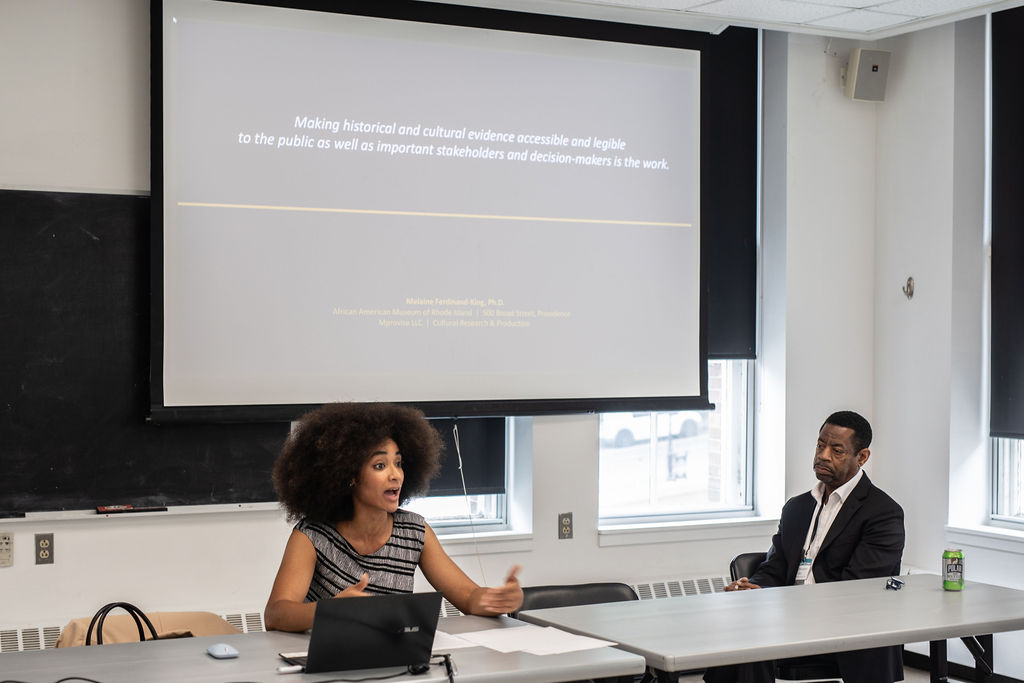
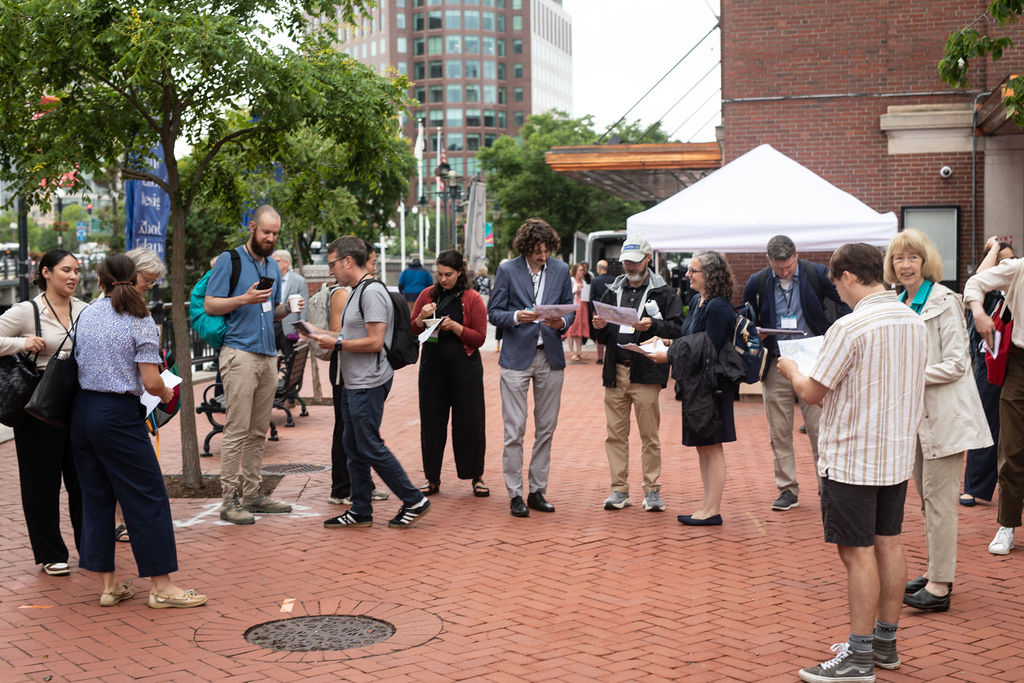
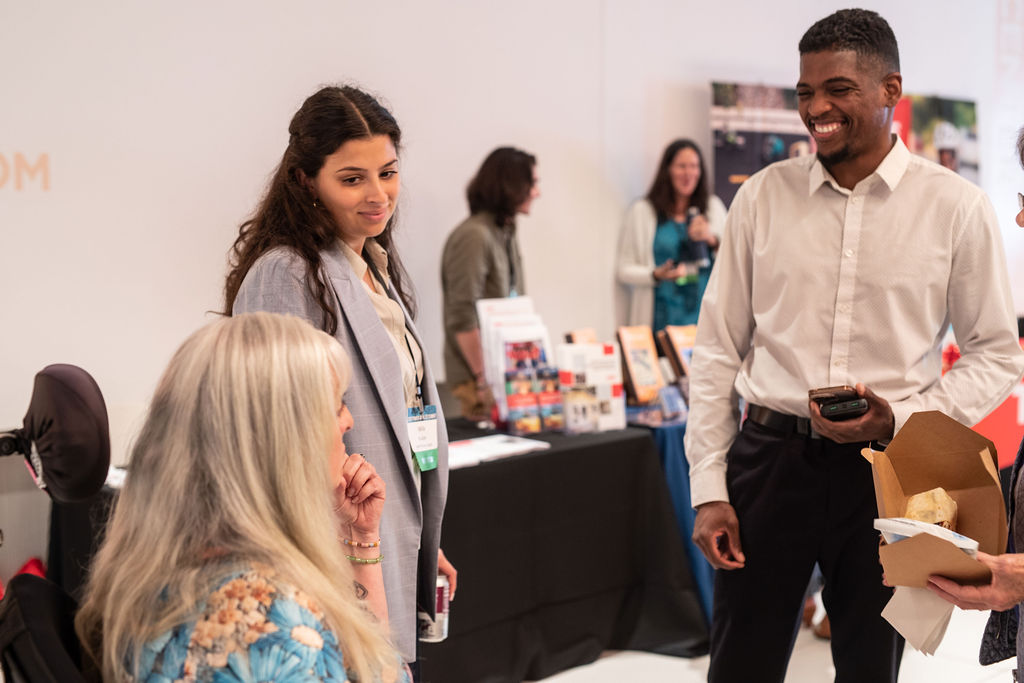
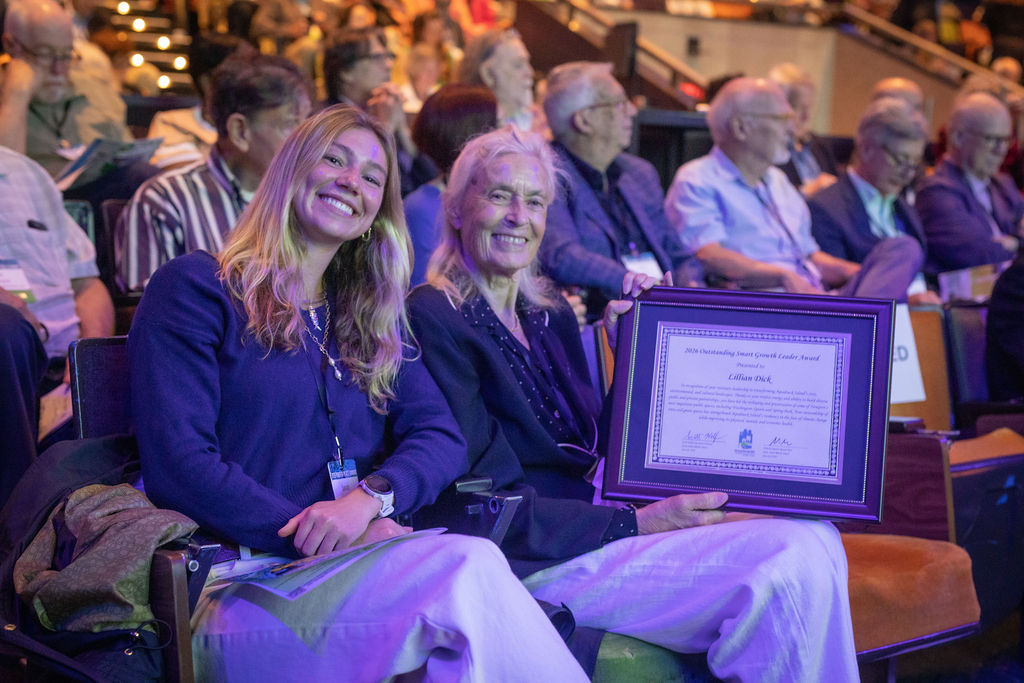
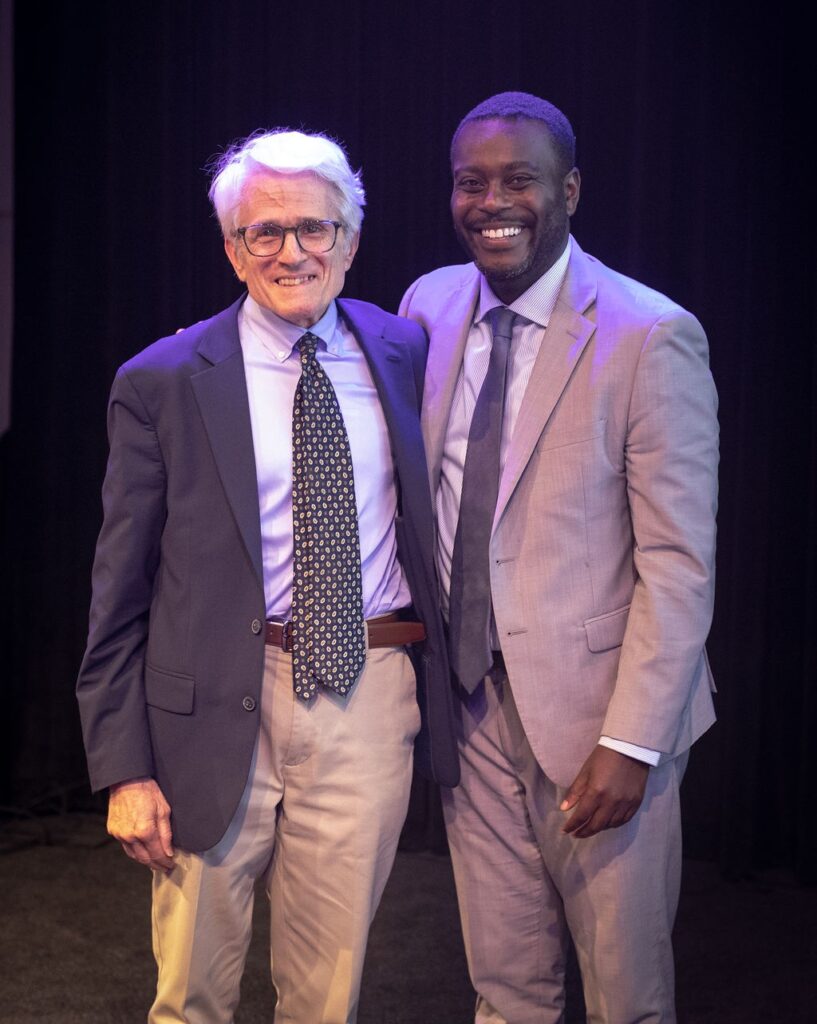
For 28 years, the Grow Smart RI community has brought together creative problem-solvers advancing long-term change that revitalizes neighborhoods, improves lives, and safeguards Rhode Island’s beauty, magic and soul. The 2026 Power of Place Summit connected the challenges of our time — affordable housing, climate change, public health, transportation, and social and economic justice — and built the partnerships and momentum needed to move Rhode Island forward.
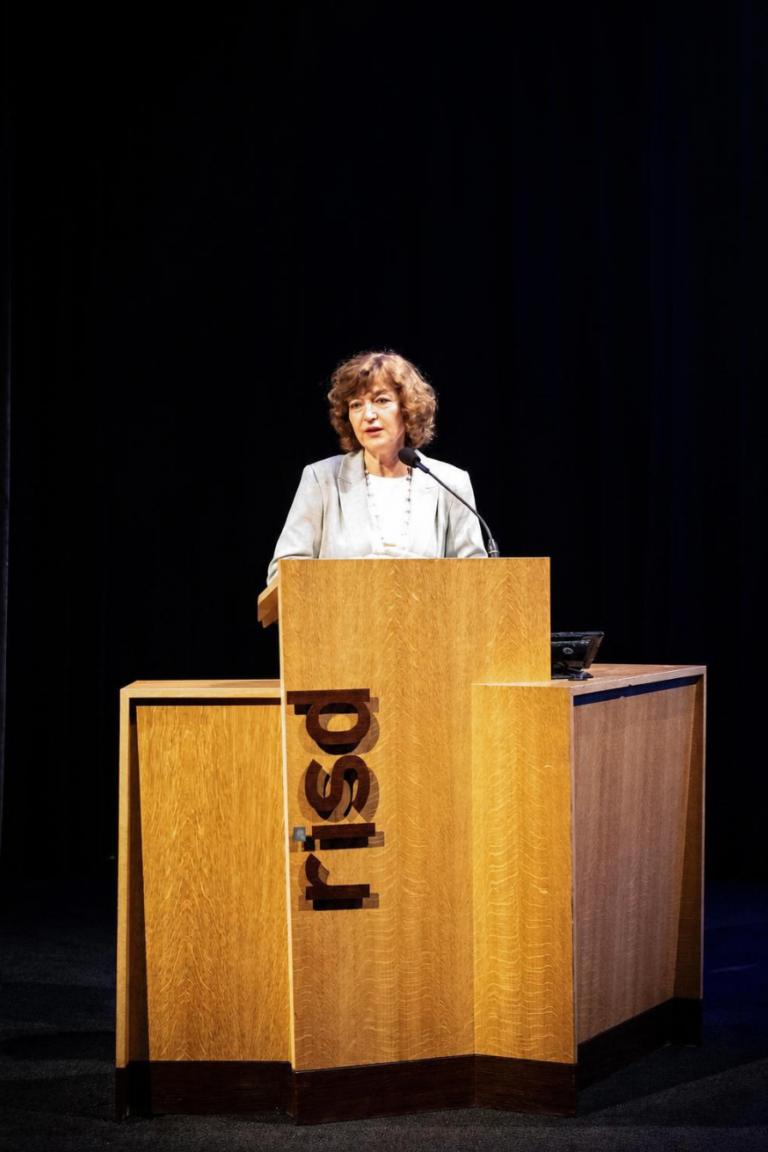
Keynote Presenter: GALINA TACHIEVA “Fix the Places, Keep the People”
The primary message Galina Tachieva offered in her keynote address one of hope. An internationally renowned urban designer and managing director of DPZ CoDESIGN, Tachieva has helped cities and towns around the globe successfully retrofit car-centric places into walkable communities. Tachieva shared designs that turned bleak stretches of parking lots and underused commercial strips in Rhode Island into inviting mixed-use developments full of trees and broad sidewalks. LEARN MORE
Featuring: Rhode Island Gubernatorial Candidates Forum on Smart Growth
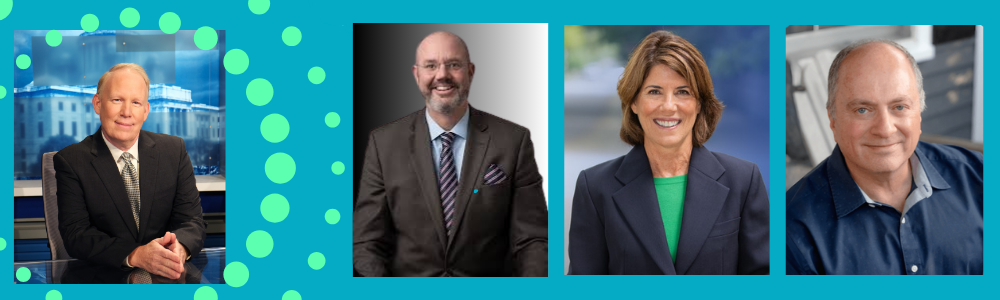
Grow Smart RI was proud to host a Rhode Island Gubernatorial Candidates Forum on Smart Growth, featuring three of the major candidates vying to lead our state in a critical conversation about the future of Rhode Island’s communities. With a gubernatorial election on the horizon, we were pleased to welcome Democrat Helena Foulkes, Republican Aaron Guckian, and Independent Ken Block. Governor McKee was invited but indicated, through his campaign manager, that he would be unable to attend the Forum.
The discussion was moderated by award-winning investigative journalist and public affairs host Jim Hummel, with each candidate sharing brief remarks of their vision followed by 20 minutes of moderated Q&A.
WATCH THE FORUM
The Forum in the News
July 20 | RI’s gubernatorial candidates weigh in on growth and development issues | Providence Journal
June 29 | The man who wasn’t there gets attacked anyway at Grow Smart gubernatorial forum | RI Current
Celebrating Smart Growth Leaders, Projects, Policies + Plans
Each year, committed, creative and resourceful Rhode Islanders show us the way to tap our state’s full potential through projects, plans, and policies that play to Rhode Island’s strengths and generate enduring economic benefits — both statewide and in specific neighborhoods.
Outstanding Smart Growth Leader:
Lilly Dick
Newport, RI
Outstanding Smart Growth Plan:
PVD Tree Plan
Providence, RI
Outstanding Smart Growth Project:
Millrace District
Woonsocket, RI
Workshops, Panels and Tours Set by YOU.
As always, we turned to our community to share expertise and advance smarter growth across Rhode Island. Attendees were able to choose between 16 interactive sessions—workshops, tours, and participatory panel discussions, divided between our morning, lunch and afternoon sessions as detailed below. Note: as we receive slides from speakers, they will be shared in the descriptions below.
SCHEDULE OF EVENTS
8:15 a.m. to 8:45 a.m.
Registration & Networking in Market Square
8:45 a.m.
Opening Remarks
9:00 a.m.
2026 Smart Growth Awards
9:30 a.m.
Keynote Presentation by Galina Tachieva
10:25 a.m.
Break
MORNING BREAKOUT SESSIONS
10:45 am – 12:00pm
 Design Center, RM 212
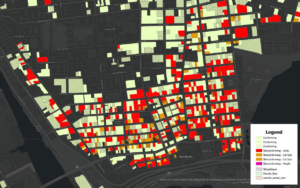
Whether it’s a commercial corridor tucked into a neighborhood or a snug block of beautiful historic homes, Rhode Islanders love places like Pawtuxet Village and Riverside Square. They reflect many Smart Growth movement goals, yet many zoning ordinances across the state all but ensure that the same kinds of places can’t be built today—they’d be considered legally nonconforming. The panelists will discuss what stands in the way of building the types of structures and places that Rhode Islanders enjoy. They will show how few potential developments, if proposed today, would be allowed by right. The session will also discuss how codes can be written such that new buildings complement older ones and contribute to the existing community fabric. SPEAKERS Annette Bourne, Research & Policy Director, Housing Works RI at RWU James Hardy, Research Analyst, Housing Works RI at RWU Dylan Conley, Founder, R.I. Land Use Law Jeanne Boyle, Principal, Jeanne Boyle Consulting, LLC
20 Washington Place, Auditorium
How can Rhode Island communities create more housing options while preserving neighborhood character and strengthening walkable, connected places? This session from Neighbors Welcome! Rhode Island will explore recent state zoning and land use reforms designed to expand housing choices, including ADUs, townhomes, lot splits, small apartments, and mixed-use residential opportunities. Presenters will share how these reforms are shaping what can be built across the state. A panel of experts from planning, design, and building backgrounds will discuss the practical realities of building new homes as well as the role intentional design plays in creating housing that supports residents across incomes and lifespan. SPEAKERS Kristina Brown, Executive Director, Neighbors Welcome! RI Peter Friedrichs Libra Planners, RI Land Use Law Joel VanderWeele Senior Associate, Union Studios Charlie Thomas-Davison Director of Real Estate Development, Women's Development Corporation David Sisson AIA, LEED AP, Principal Architect of David Sisson Architecture and blueADU
How can Rhode Island communities create more housing options while preserving neighborhood character and strengthening walkable, connected places? This session from Neighbors Welcome! Rhode Island will explore recent state zoning and land use reforms designed to expand housing choices, including ADUs, townhomes, lot splits, small apartments, and mixed-use residential opportunities. Presenters will share how these reforms are shaping what can be built across the state. A panel of experts from planning, design, and building backgrounds will discuss the practical realities of building new homes as well as the role intentional design plays in creating housing that supports residents across incomes and lifespan. SPEAKERS Kristina Brown, Executive Director, Neighbors Welcome! RI Peter Friedrichs Libra Planners, RI Land Use Law Joel VanderWeele Senior Associate, Union Studios Charlie Thomas-Davison Director of Real Estate Development, Women's Development Corporation David Sisson AIA, LEED AP, Principal Architect of David Sisson Architecture and blueADU
RISD Auditorium
Transportation decisions shape economic growth, housing opportunity, public health, and climate action, yet investment choices in Rhode Island can fail to reflect those broader goals. As the 2026 election approaches, this session asks what it would look like to build a transportation system that truly works for all Rhode Islanders. Providence Streets Coalition, Save RIPTA, and transportation advocates and planners will present a mobility policy blueprint focused on transparency in decision-making, affordability and accessibility, and long-term economic resilience. The session will also explore how politics and transportation intersect, and how public transit, walking, and biking can become more central to policy conversations and campaign priorities. Attendees will leave with a deeper understanding of the challenges, opportunities, and policy choices shaping Rhode Island’s transportation future. SPEAKERS Dylan Giles, Operations Manager, Providence Streets Coalition Nicole O'Loughlin, Political Director, Providence Streets Coalition John Flaherty, Independent Contractor, Green Streets Associates Catherine Taylor, Executive Director, AARP Rhode Island Bari Freeman, Founder and Executive Director, Bike Newport Farouk Rajab, President & CEO, Rhode Island Hospitality Association
Transportation decisions shape economic growth, housing opportunity, public health, and climate action, yet investment choices in Rhode Island can fail to reflect those broader goals. As the 2026 election approaches, this session asks what it would look like to build a transportation system that truly works for all Rhode Islanders. Providence Streets Coalition, Save RIPTA, and transportation advocates and planners will present a mobility policy blueprint focused on transparency in decision-making, affordability and accessibility, and long-term economic resilience. The session will also explore how politics and transportation intersect, and how public transit, walking, and biking can become more central to policy conversations and campaign priorities. Attendees will leave with a deeper understanding of the challenges, opportunities, and policy choices shaping Rhode Island’s transportation future. SPEAKERS Dylan Giles, Operations Manager, Providence Streets Coalition Nicole O'Loughlin, Political Director, Providence Streets Coalition John Flaherty, Independent Contractor, Green Streets Associates Catherine Taylor, Executive Director, AARP Rhode Island Bari Freeman, Founder and Executive Director, Bike Newport Farouk Rajab, President & CEO, Rhode Island Hospitality Association
Design Center, RM 210
Over the past 150 years, Upper and South Providence have experienced dramatic cycles of immigration, disinvestment, urban renewal, highway construction, and reinvestment. Today, these neighborhoods stand at another pivotal moment as rising property values, major redevelopment opportunities, and expanding supportive housing proposals reshape the future of the community. This panel will examine how new investments (including proposed redevelopment around medical center properties and other key sites) may influence neighborhood character, affordability, and long-term community stability. Speakers will explore difficult but timely questions around who benefits from redevelopment, how decisions are made, and what types of housing and growth should define the next chapter of South Providence. Rooted in the principles of smart growth, the discussion will consider how to balance reinvestment, equity, preservation, and neighborhood identity in a rapidly changing urban landscape. SPEAKERS Richard Godfrey, Consultant and Educator Carla DeStefano, Executive Director, SWAP Inc. Ron Crosson, Executive Director, Urban Ventures Rochelle Lee, City and Regional Planner
Over the past 150 years, Upper and South Providence have experienced dramatic cycles of immigration, disinvestment, urban renewal, highway construction, and reinvestment. Today, these neighborhoods stand at another pivotal moment as rising property values, major redevelopment opportunities, and expanding supportive housing proposals reshape the future of the community. This panel will examine how new investments (including proposed redevelopment around medical center properties and other key sites) may influence neighborhood character, affordability, and long-term community stability. Speakers will explore difficult but timely questions around who benefits from redevelopment, how decisions are made, and what types of housing and growth should define the next chapter of South Providence. Rooted in the principles of smart growth, the discussion will consider how to balance reinvestment, equity, preservation, and neighborhood identity in a rapidly changing urban landscape. SPEAKERS Richard Godfrey, Consultant and Educator Carla DeStefano, Executive Director, SWAP Inc. Ron Crosson, Executive Director, Urban Ventures Rochelle Lee, City and Regional Planner
20 Washington Place, RM 302
It’s more important than ever to acknowledge Rhode Island’s pressing waste issues. Our state’s only landfill will reach capacity in the next 20 years and one of our two sludge incinerators recently closed.
Our panelists will report on: -the Rhode Island Food Policy Council’s Wasted Food Solutions Action Plan on how we can manage our food waste and organics and transform organic waste into a resilience solution; -Save the Bay’s work on litter and marine debris, including what shoreline cleanups collect, how well recycling works here, and which policies can make an impact; and -Clean Water Action’s work on what happens to our biosolids, microplastics, and PFAS and what comes next in ensuring we can all live in clean, healthy places.
SPEAKERS:
Isaac Bearg, Food, Climate and Environment Program Director, Rhode Island Food Policy Council Jed Thorp, Director of Advocacy, Save the Bay Emily Howe, State Director, Clean Water Action VIEW SESSION SLIDES HERE
Our panelists will report on: -the Rhode Island Food Policy Council’s Wasted Food Solutions Action Plan on how we can manage our food waste and organics and transform organic waste into a resilience solution; -Save the Bay’s work on litter and marine debris, including what shoreline cleanups collect, how well recycling works here, and which policies can make an impact; and -Clean Water Action’s work on what happens to our biosolids, microplastics, and PFAS and what comes next in ensuring we can all live in clean, healthy places.
SPEAKERS:
Isaac Bearg, Food, Climate and Environment Program Director, Rhode Island Food Policy Council Jed Thorp, Director of Advocacy, Save the Bay Emily Howe, State Director, Clean Water Action VIEW SESSION SLIDES HERE
 20 Washington Place, RM 310
How can planners and decision-makers better incorporate lived experience into smart growth policy and investment decisions? How is planning work honoring active listening and returning power to communities? This interactive session highlights the RI Life Index and RI Voices as tools for elevating resident perspectives and translating them into actionable insights. Participants will explore how neighborhood-level perceptions of housing, transportation, health, economic well-being, and social connection can help identify disparities, guide investments, and measure progress over time. Presenters will demonstrate how resident-reported data can strengthen community engagement and support more equitable planning and policy outcomes. Through discussion and reflection, attendees will consider practical ways to integrate community voice into their own work and decision-making processes. While grounded in Rhode Island data and experiences, the methods and lessons shared are broadly applicable to communities seeking more inclusive and responsive approaches to planning by using crowd-sourced data. SPEAKERS Carolyn Belisle Vice President, Corporate Social Responsibility | Blue Cross & Blue Shield of Rhode Island Melissa Clark, PhD Professor, Health Services, Policy & Practice and the Director, SQuAD Research Core Brown University School of Public Health
Meet at Market Square
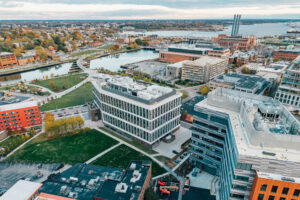 Our tour will showcase how over $1 billion in public and private investment to date is transforming the former I-195 land in downtown Providence. You will learn how the redevelopment is approaching its charge to maximize economic development impact and create an innovation district, while also knitting neighborhoods back together.
Join leaders and consultants from the agency overseeing this redevelopment to explore recently completed gathering places such as the Michael S. Van Leesten Memorial pedestrian bridge and 195 District Park, as well as the brand new 195 District Park pavilion. We’ll explore temporary placemaking activations, and commercial and mixed-use projects and look ahead to proposed developments while discussing our strategies for balancing urban design and economic goals with market realities.
Our tour will showcase how over $1 billion in public and private investment to date is transforming the former I-195 land in downtown Providence. You will learn how the redevelopment is approaching its charge to maximize economic development impact and create an innovation district, while also knitting neighborhoods back together.
Join leaders and consultants from the agency overseeing this redevelopment to explore recently completed gathering places such as the Michael S. Van Leesten Memorial pedestrian bridge and 195 District Park, as well as the brand new 195 District Park pavilion. We’ll explore temporary placemaking activations, and commercial and mixed-use projects and look ahead to proposed developments while discussing our strategies for balancing urban design and economic goals with market realities.
GUIDES:
Caroline Skuncik, Executive Director, 195 Redevelopment District
Tim Love, Founding Principal, Utile
Our tour will showcase how over $1 billion in public and private investment to date is transforming the former I-195 land in downtown Providence. You will learn how the redevelopment is approaching its charge to maximize economic development impact and create an innovation district, while also knitting neighborhoods back together.
Join leaders and consultants from the agency overseeing this redevelopment to explore recently completed gathering places such as the Michael S. Van Leesten Memorial pedestrian bridge and 195 District Park, as well as the brand new 195 District Park pavilion. We’ll explore temporary placemaking activations, and commercial and mixed-use projects and look ahead to proposed developments while discussing our strategies for balancing urban design and economic goals with market realities.GUIDES:
Caroline Skuncik, Executive Director, 195 Redevelopment District
Tim Love, Founding Principal, Utile
12:00 p.m. - 1:30 p.m
Lunch, Networking and Visiting Exhibit Booths in the Gathering Place
SPECIAL LUNCH SESSION
20 Washington Place, RM 302
12:15pm - 1:15pm
So many supporters of Main Street and Smart Growth are avid supporters of local businesses and nonprofits, but how many of us are local investors and owners? Often, our own market investments are at odds with the local values we espouse (Do you know how much Amazon and Walmart stock is in your portfolio?)
Local-first is not simply a nice to have; local investment and local ownership are the antidote to the growing oligarchy we are seeing. The extractive system that puts financial return before all else has driven the destruction of place. And yet, on the other hand, we cannot ignore the need for financial security and sustainability through wealth-building. So, what is the right place for money?
The Community Capitals framework offers a different way of thinking about the relationship between financial capital and other forms of capital critical to smart growth and main street vitality (from the natural and built environment, to human, social, cultural, and civic/political capital).
This presentation and discussion will introduce this alternative framework and how Local Return and the RI Community Investment Cooperative are working to build an alternative investment and ownership ecosystem in Rhode Island.
SPEAKERS
Josh Daly, Co-Founder, Local Return
Jessica David, Co-Founder, Local Return
VIEW SESSION SLIDES HERE
20 Washington Place, RM 310
12:15pm - 1:15pm
12:15pm - 1:15pm
Sustainable building practices are a tool for delivering healthier, climate-resilient communities in Rhode Island for all. This presentation will explore innovative approaches to sustainable building practices in a changing climate. This session will include opportunities, challenges, and trade-offs in sustainable building practices, including a look at policies and low-carbon materials. There will be a setting of the topic at the beginning of the presentation about carbon emissions, adaptive reuse, and circularity, and Jenna Yu, Architect and Designer, will present on strawbale permitting and construction in Providence.
SPEAKERS
Brianna Jordan, Adaptive Reuse Policy and Programs Manager at the Providence Preservation Society
Jenna Yu, Architect and Designer at Build With Nature
AFTERNOON BREAKOUT SESSIONS
1:30 pm – 2:45 pm
20 Washington Place, RM 302
Providence is already experiencing the impacts of climate change through flooding, rising heat, infrastructure strain, and growing inequities. This interactive workshop introduces Climate Ready Together (CRT), a community-driven initiative of the Providence Resilience Partnership that connects technical climate information with lived experience and neighborhood knowledge. Through storytelling, visual mapping, and small-group discussion, participants will experience the CRT cohort model firsthand and explore how collaborative learning can build community capacity for climate action. The session focuses on practical strategies for translating climate risk data into local understanding, strengthening participatory planning processes, and building partnerships among residents, organizations, and government. Grounded in smart growth principles, the workshop highlights how inclusive engagement and shared learning can help communities move from concern about climate impacts toward coordinated, neighborhood-based resilience action. SPEAKERS
Michele Jalbert, Executive Director, Providence Resilience Partnership
Cliff Wood, Partner, Providence Resilience Partnership
Luisa Murillo, Cohort Manager, Providence Resilience Partnership
Kira Wills, Community Facilitator
Providence is already experiencing the impacts of climate change through flooding, rising heat, infrastructure strain, and growing inequities. This interactive workshop introduces Climate Ready Together (CRT), a community-driven initiative of the Providence Resilience Partnership that connects technical climate information with lived experience and neighborhood knowledge. Through storytelling, visual mapping, and small-group discussion, participants will experience the CRT cohort model firsthand and explore how collaborative learning can build community capacity for climate action. The session focuses on practical strategies for translating climate risk data into local understanding, strengthening participatory planning processes, and building partnerships among residents, organizations, and government. Grounded in smart growth principles, the workshop highlights how inclusive engagement and shared learning can help communities move from concern about climate impacts toward coordinated, neighborhood-based resilience action. SPEAKERS
Michele Jalbert, Executive Director, Providence Resilience Partnership
Cliff Wood, Partner, Providence Resilience Partnership
Luisa Murillo, Cohort Manager, Providence Resilience Partnership
Kira Wills, Community Facilitator
20 Washington Place, Auditorium
Successful project approvals require more than meeting technical requirements — they depend on trust,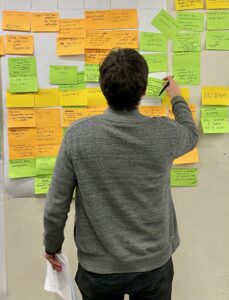 communication, and meaningful engagement with the community. Led by Christine West, AIA of KITE Architects, this interactive workshop draws on decades of experience navigating project approvals, including affordable housing and complex public review processes. The session will explore how thoughtful engagement, responsive design, and early alignment with community priorities can strengthen projects and improve outcomes before planning boards, zoning boards, and historic review commissions. Through real-world examples, group exercises, and practical “do and don’t” scenarios, participants will examine common pitfalls and strategies for building credibility and consensus. Attendees will leave with tools for anticipating concerns, communicating more effectively, and designing projects that work with communities rather than simply being presented to them.
SPEAKERS
Christine West, AIA of KITE Architects
Kristina Brown Executive Director, Neighbors Welcome! Rhode Island
Successful project approvals require more than meeting technical requirements — they depend on trust,
communication, and meaningful engagement with the community. Led by Christine West, AIA of KITE Architects, this interactive workshop draws on decades of experience navigating project approvals, including affordable housing and complex public review processes. The session will explore how thoughtful engagement, responsive design, and early alignment with community priorities can strengthen projects and improve outcomes before planning boards, zoning boards, and historic review commissions. Through real-world examples, group exercises, and practical “do and don’t” scenarios, participants will examine common pitfalls and strategies for building credibility and consensus. Attendees will leave with tools for anticipating concerns, communicating more effectively, and designing projects that work with communities rather than simply being presented to them.SPEAKERS
Christine West, AIA of KITE Architects
Kristina Brown Executive Director, Neighbors Welcome! Rhode Island
RISD Auditorium
Preview Rhode Island’s forthcoming Complete Streets Plan and Design Guidelines-a new resource helping municipalities and stakeholders move transportation projects from vision to implementation. The toolkit offers a visual framework for selecting complete streets strategies based on street typology, land use context, and a street’s role within the transportation network. The toolkit simplifies the process of selecting and delivering projects supporting safer, more accessible streets for people of all ages, abilities, and modes. Presenters explore how the plan can help communities prioritize street functions, navigate constrained tradeoffs and build public understanding around transportation change. Combining local context with national best practices, the toolkit supports more consistent, context-sensitive design across the state and advances healthier, more equitable, and more resilient communities.
SPEAKERS:
Bonnie Nickerson, Director of Planning, Northeast, Toole Design
Mason Perrone, Assistant Chief of Planning, RI Department of Administration
Meredith Brady, Associate Director, Division of Planning at Rhode Island Department of Administration
Rosie Jaswal, Engineering Group Manager, Toole Design
Preview Rhode Island’s forthcoming Complete Streets Plan and Design Guidelines-a new resource helping municipalities and stakeholders move transportation projects from vision to implementation. The toolkit offers a visual framework for selecting complete streets strategies based on street typology, land use context, and a street’s role within the transportation network. The toolkit simplifies the process of selecting and delivering projects supporting safer, more accessible streets for people of all ages, abilities, and modes. Presenters explore how the plan can help communities prioritize street functions, navigate constrained tradeoffs and build public understanding around transportation change. Combining local context with national best practices, the toolkit supports more consistent, context-sensitive design across the state and advances healthier, more equitable, and more resilient communities.
SPEAKERS:
Bonnie Nickerson, Director of Planning, Northeast, Toole Design
Mason Perrone, Assistant Chief of Planning, RI Department of Administration
Meredith Brady, Associate Director, Division of Planning at Rhode Island Department of Administration
Rosie Jaswal, Engineering Group Manager, Toole Design
Design Center, RM 210
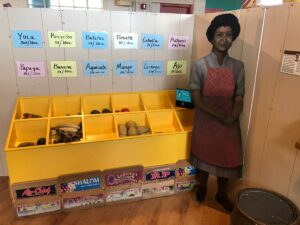 Leaders from Rhode Island’s Latino, African American, and Asian American & Pacific Islander cultural institutions will explore how we create place through storytelling, archives, and community engagement. We’ll invite the audience to participate by sharing reflections on how cultural spaces foster connection across communities.
SPEAKERS:
Marta V. Martinez, Executive Director, Rhode Island Latino Arts
Dr. Christopher West, Executive Director, African American Museum of Rhode Island
Jeannie Salomon, Executive Director, Asian American and Pacific Islander History Museum
Melaine Ferdinand-King, Ph.D., Associate Director, African-American Museum of Rhode Island
Leaders from Rhode Island’s Latino, African American, and Asian American & Pacific Islander cultural institutions will explore how we create place through storytelling, archives, and community engagement. We’ll invite the audience to participate by sharing reflections on how cultural spaces foster connection across communities.SPEAKERS:
Marta V. Martinez, Executive Director, Rhode Island Latino Arts
Dr. Christopher West, Executive Director, African American Museum of Rhode Island
Jeannie Salomon, Executive Director, Asian American and Pacific Islander History Museum
Melaine Ferdinand-King, Ph.D., Associate Director, African-American Museum of Rhode Island
Design Center, RM 212
We’ll explore two transformative projects in Pawtucket. Tidewater Landing converts a former brownfield into a mixed-use destination featuring a sports stadium, mixed-income housing, parks, riverwalks, and a pedestrian bridge. Early phases of the project are already restoring waterfront access and strengthening placemaking and social connection. Similarly, the Downtown Gateway project seeks to develop approximately 20 acres into a mixed-use, mixed-income district at the heart of Pawtucket's Redevelopment Area. The City of Pawtucket is prioritizing walkability, access to transit, and equitable connections to jobs and amenities for both projects. A planned Enhanced Pedestrian Corridor will offer a bike, pedestrian, and micromobility connection between the developments and the new Pawtucket-Central Falls Train Station while also revitalizing Main Street.
SPEAKERS
Lance Hill, Vice President, Pare Corporation
Donald Grebien, Mayor, City of Pawtucket
Jason Pezzullo, Commerce Director, City of Pawtucket
Dan Kroeber, Managing Partner, Fortuitous Partners
We’ll explore two transformative projects in Pawtucket. Tidewater Landing converts a former brownfield into a mixed-use destination featuring a sports stadium, mixed-income housing, parks, riverwalks, and a pedestrian bridge. Early phases of the project are already restoring waterfront access and strengthening placemaking and social connection. Similarly, the Downtown Gateway project seeks to develop approximately 20 acres into a mixed-use, mixed-income district at the heart of Pawtucket's Redevelopment Area. The City of Pawtucket is prioritizing walkability, access to transit, and equitable connections to jobs and amenities for both projects. A planned Enhanced Pedestrian Corridor will offer a bike, pedestrian, and micromobility connection between the developments and the new Pawtucket-Central Falls Train Station while also revitalizing Main Street.
SPEAKERS
Lance Hill, Vice President, Pare Corporation
Donald Grebien, Mayor, City of Pawtucket
Jason Pezzullo, Commerce Director, City of Pawtucket
Dan Kroeber, Managing Partner, Fortuitous Partners
20 Washington Place, RM 310
Where does ADA leave off? Let's think big about what truly accessible development might look like! Universal Design (UD) is a proactive approach to designing environments and systems usable by all people — regardless of age, ability, or status — without the need for adaptation. Unlike minimum compliance codes, UD creates inclusive, intuitive, and equitable spaces that foster full community participation. Integrating UD into planning is critical for several reasons: it removes physical and cognitive barriers; supports an aging population in maintaining independence; future-proofs infrastructure more cost-effectively than retrofits; and benefits users of all abilities through features like curb cuts, automatic doors, and clear signage. Ultimately, universal design is simply good design — creating communities where everybody belongs.
SPEAKERS
Peter Friedrichs, Esq., AICP, Libra Planners
Tina Guenette, Real Access Motivates Progress
Bianca Policastro, Policastro Group
Where does ADA leave off? Let's think big about what truly accessible development might look like! Universal Design (UD) is a proactive approach to designing environments and systems usable by all people — regardless of age, ability, or status — without the need for adaptation. Unlike minimum compliance codes, UD creates inclusive, intuitive, and equitable spaces that foster full community participation. Integrating UD into planning is critical for several reasons: it removes physical and cognitive barriers; supports an aging population in maintaining independence; future-proofs infrastructure more cost-effectively than retrofits; and benefits users of all abilities through features like curb cuts, automatic doors, and clear signage. Ultimately, universal design is simply good design — creating communities where everybody belongs.
SPEAKERS
Peter Friedrichs, Esq., AICP, Libra Planners
Tina Guenette, Real Access Motivates Progress
Bianca Policastro, Policastro Group
Meet at Market Square
Our walking tour will visit the Riverwalk and Waterplace Park. These cherished downtown public spaces were built by the City of Providence over 35 years ago by relocating rail lines, surface parking, and roads that once covered the Woonasquatucket, Moshassuck, and Providence Rivers. New challenges have emerged that must be addressed to protect these community assets for future generations to enjoy. The city is prepared to make major investments to respond to pressing needs including: increasingly frequent and severe flooding; the absence of ADA‑compliant routes to, along, and within the Riverwalk and Waterplace Park; public safety concerns driven by limited visibility and inadequate lighting; declining water quality caused by untreated stormwater runoff; structural deterioration of the Riverwalk walls; poor bicycle accessibility; and unsafe or inefficient connections between the Amtrak station, Kennedy Plaza, the Riverwalk, and Waterplace Park.
GUIDES:
Chris Martin, Associate Director of Special Projects, City of Providence Department of Planning and Development
Alban Bassuet, Associate Principal, Arup
Our walking tour will visit the Riverwalk and Waterplace Park. These cherished downtown public spaces were built by the City of Providence over 35 years ago by relocating rail lines, surface parking, and roads that once covered the Woonasquatucket, Moshassuck, and Providence Rivers. New challenges have emerged that must be addressed to protect these community assets for future generations to enjoy. The city is prepared to make major investments to respond to pressing needs including: increasingly frequent and severe flooding; the absence of ADA‑compliant routes to, along, and within the Riverwalk and Waterplace Park; public safety concerns driven by limited visibility and inadequate lighting; declining water quality caused by untreated stormwater runoff; structural deterioration of the Riverwalk walls; poor bicycle accessibility; and unsafe or inefficient connections between the Amtrak station, Kennedy Plaza, the Riverwalk, and Waterplace Park.
GUIDES:
Chris Martin, Associate Director of Special Projects, City of Providence Department of Planning and Development
Alban Bassuet, Associate Principal, Arup
3:00 p.m. - 3:15 p.m
Honoring Scott Wolf: Reflecting on his 27 Years Leading Grow Smart RI
3:15 p.m. - 4:45 p.m
Rhode Island Gubernatorial Forum
4:45 p.m.
Closing Remarks
5:00 p.m. - 6:15 p.m.
Closing Reception with Light Food and Drink in Exhibit Area
Special Thanks to Our Sponsors