

Owning the Storefront
September 3, 2026 at 12PM
Featuring: Josh Daly, Co-Founder of Local Return
ARTICLES OF FOCUS:
RESOURCES
“We’re dying out here.” That’s how Katherine Raz, owner of Fernseed in Tacoma, Washington, put it in a conversation with Main Street America. She admits it sounds dramatic, but the survey numbers back her up: 64% of Main Street business decision-makers aren’t paid a living wage, and 53% of businesses rely on unpaid labor. Many owners, she explains, don’t take a consistent paycheck, and walking away isn’t simple when there’s debt to repay and time left on a lease.
That harsh reality framed our September Main Street RI Roundtable, “Owning the Storefront,” which explored the struggles facing Main Street business owners and one path toward stability: owning the building. We tried something new: a book club of sorts, led by our friends and partners at Local Return. Participants read three pieces from Raz’s Storefront Revolt blog, where she writes candidly about setting out to buy her own building. The uncomfortable truths in those articles seeded a rich conversation.
What follows are the key takeaways from the conversation.
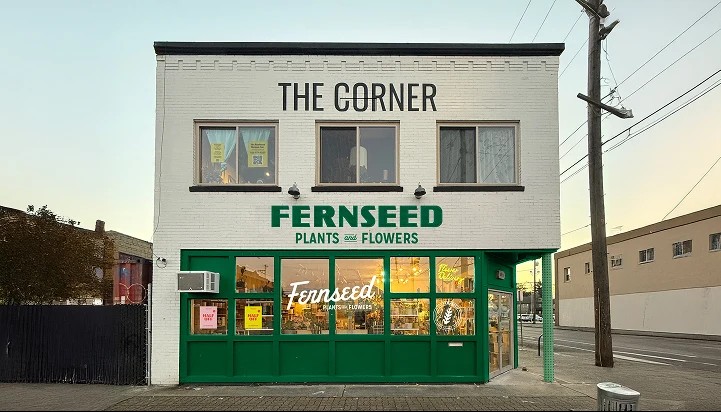
image courtesy of Fernseed
Meet Local Return
Local Return is a Rhode Island nonprofit building community wealth through local ownership and investment, especially in neighborhoods that have experienced historical disinvestment. Co-founders Josh Daly, a longtime advisor with the Rhode Island Small Business Development Center, and Jessica David led the conversation. Among other work, they launched the state’s first community investment fund, a cooperative that everyday Rhode Islanders can invest in and help govern.
What we read
Raz’s three pieces trace her path from frustration to ownership. In “Main Street America doesn’t quite get us,” she argues that the usual toolkit of marketing and events misses owners’ core struggle: making a living. In her account of buying a building, nearly a dozen banks turn her down before she finds another way. And in her interview with Main Street America, she makes the case that owning the building is key to a storefront business’s stability.
Key takeaways
Improvements raise rent, not revenue. Raz calls it the success trap: when tenants fix up their spaces and beautify the street, the landlord captures most of the value. In one Rhode Island salon, everyone renting chairs was scraping by except the person who owned the building.
The building is the retirement plan. Most place-based businesses won’t sell for enough to fund a retirement, so the real estate often is the nest egg. Without it, owners keep working. One participant’s father still runs his store at 82, in a building he doesn’t own, because he can’t afford to retire.
Capital isn’t built for business owners. Lenders have a proven formula for house flippers, but not for a shop owner buying their own building. Commercial loans typically require 10 to 30% down, far more than many first-time homebuyer programs.
Who owns Main Street matters. Ownership of commercial districts is consolidating, in Rhode Island and nationally. Participants weighed the trade-offs but kept returning to the accountability that comes with local ownership.
Ownership isn’t for everyone, and it doesn’t have to be solo. Owning a building brings real costs and risk, and not every business needs a storefront at all. Shared models can spread that risk: commercial land trusts, cooperative ownership by businesses or residents, and community efforts like Buy Back the Block. The Small Business Anti-Displacement Network’s case studies are a good place to start.
Rhode Island needs its own data. No one has gathered local numbers like the ones Raz collected herself. Main Street RI and Local Return have designed a research project with a national partner and are raising funds to launch it.
What’s next
Local Return’s Anchor the Block program helps small business owners find a realistic path to owning their real estate through a six-session peer cohort. Applications open in November. You can refer a business owner or invite Local Return to present to your group.
We’ve only scratched the surface, and we want this post to grow over time. If you know of a Rhode Island example of shared ownership, or have questions we should take on, send them our way. Thank you to Josh, Jessica, and everyone who joined us.